
Hogyan válasszuk ki a megfelelő hűtőtáskát vállalkozása számára?

A hűtőtáska anyagainak megértése
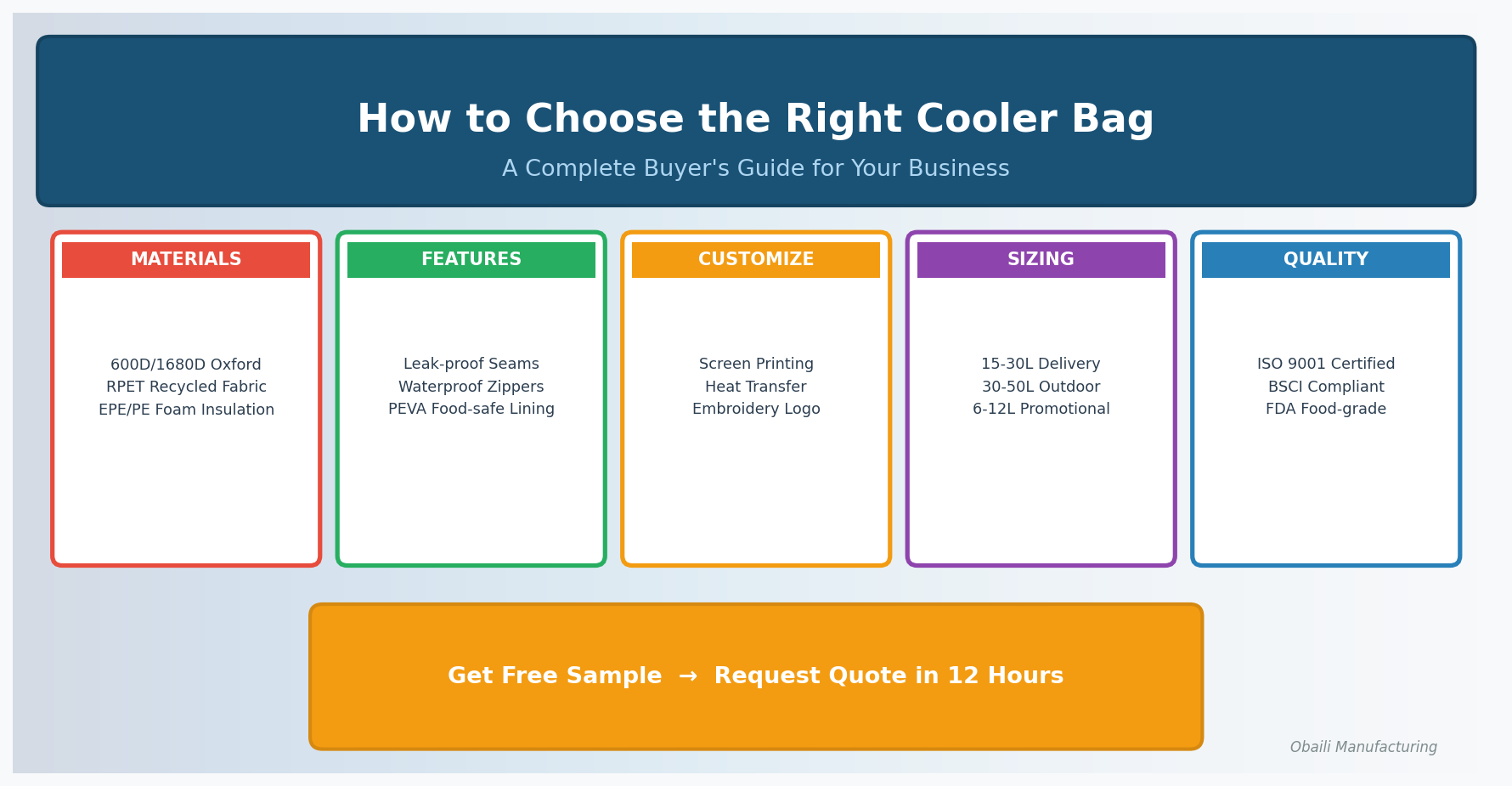
A hűtőtáska anyaga meghatározza a tartósságot, a szigetelést és az értéket. A hűtőtáska gyártójának kiválasztásakor vizsgálja meg a külső és a belső szigetelést. A gyakori anyagok közé tartozik a 600D Oxford, az 1680D Oxford és az RPET újrahasznosított szövet. Mindegyik eltérő tartósságot és környezeti előnyöket kínál az egyedi hűtőtáskák esetében.
Szigetelésre az EPE hab és a PE hab az elsődleges választás. Az EPE hab kiváló hőállóságot és könnyű súlyt biztosít, így ideális ételszállító táskákhoz. A PE hab kiváló nedvességállóságot biztosít a hosszabb ideig tartó jégmegtartás érdekében. Ezen különbségek megértése segít kiválasztani az igényeinek megfelelő ételszállító táskát.
Főbb jellemzők az értékeléshez
Nagykereskedelmi hűtőtáskák vásárlásakor vizsgálja meg a legfontosabb jellemzőket. Először is, ellenőrizze a varratok szerkezetét. A szivárgásmentes hegesztett varratok vízálló alkalmazásokban, különösen az ételszállító táskák használatakor, ahol kiömlés fordulhat elő, felülmúlják az öltött varratokat. Másodszor, értékelje a zárórendszereket. A vízálló fedelű, minőségi cipzárak jobban tartják a hőmérsékletet, mint a húzózsinóros zárak.
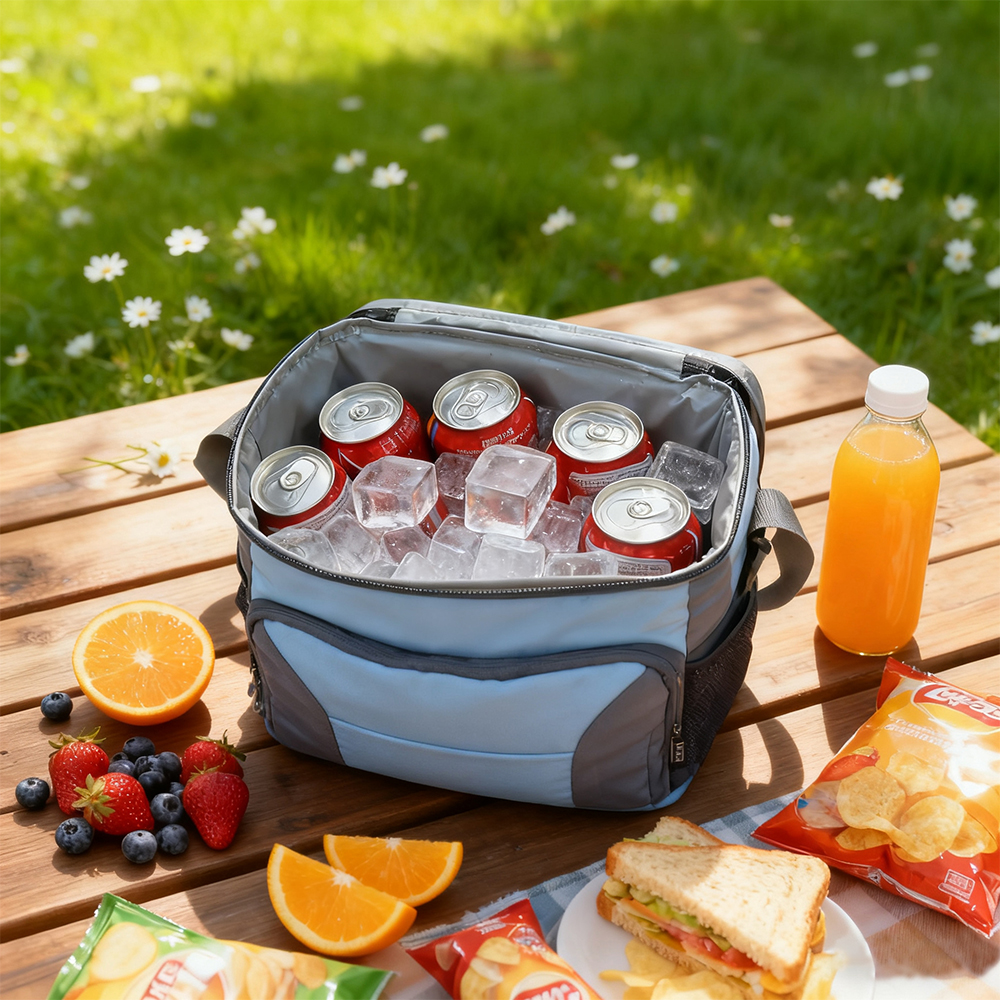
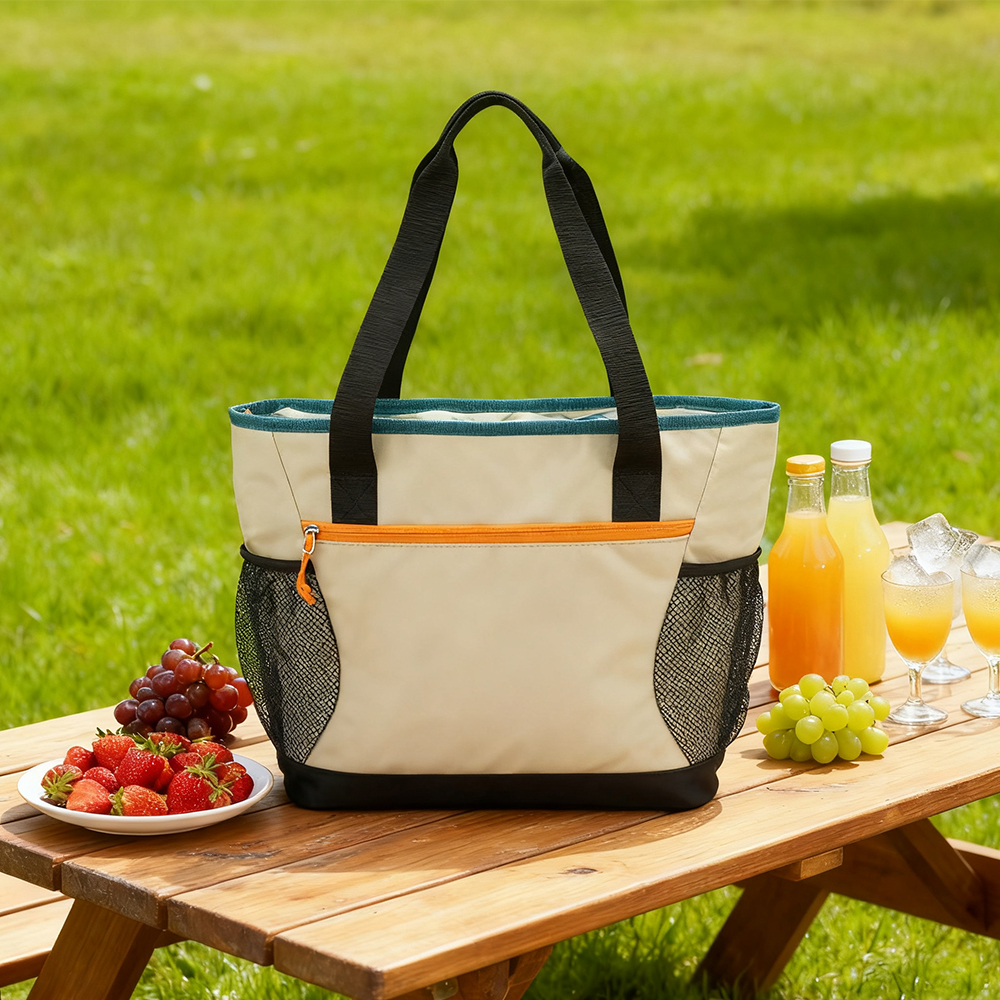
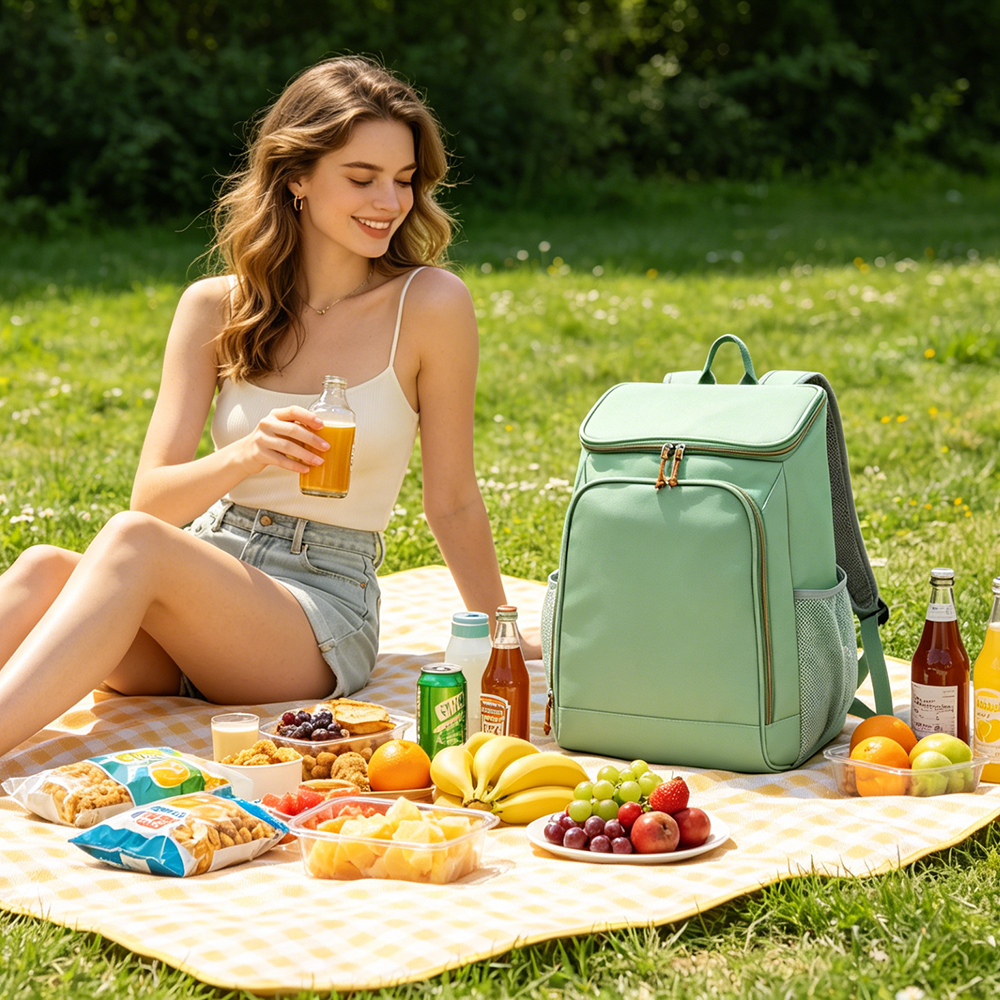
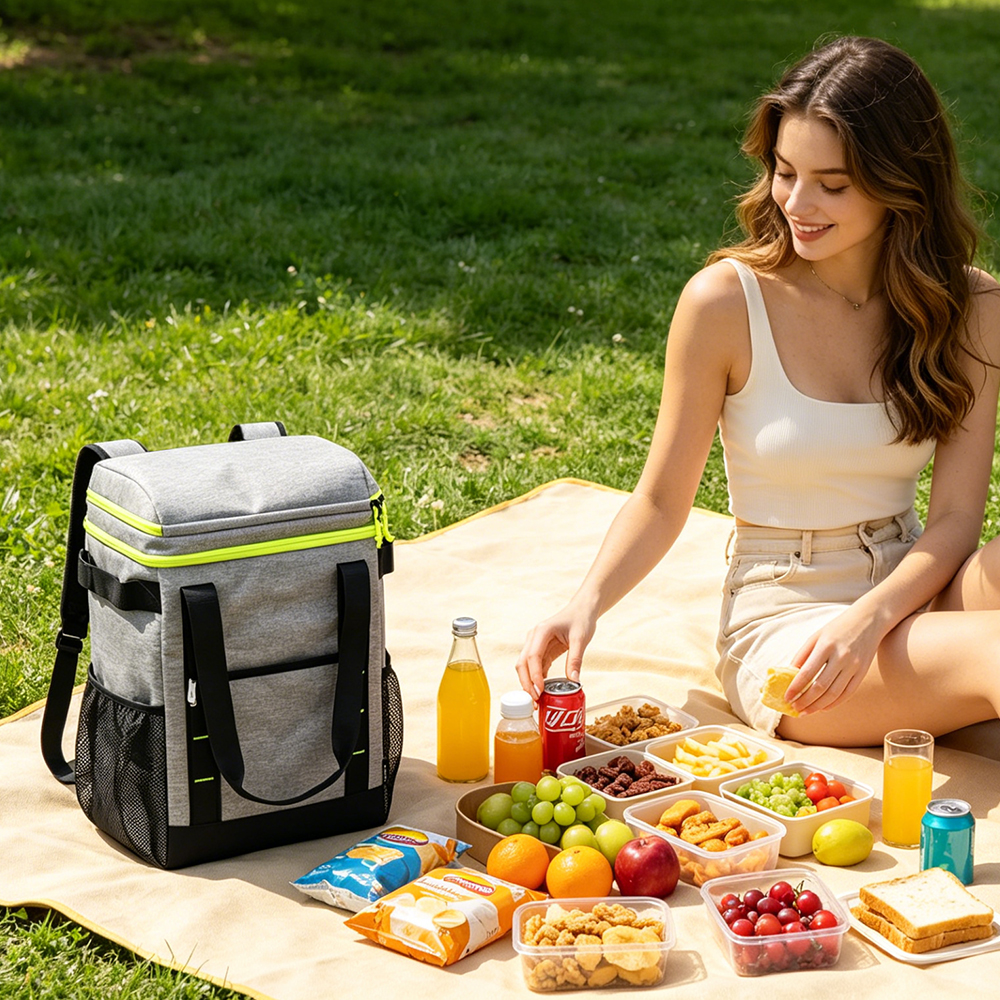
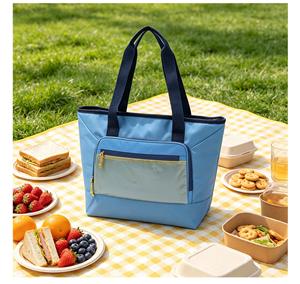
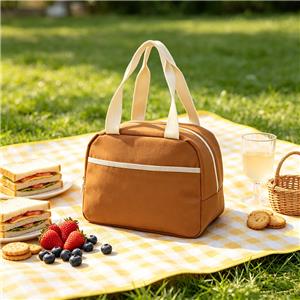
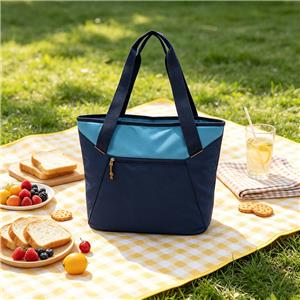
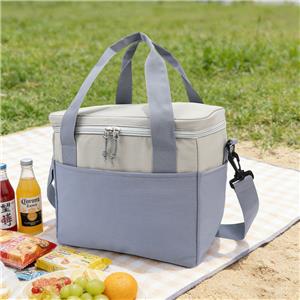
Harmadszor, gondolja át a hordozási lehetőségeket. A hátizsákos kialakítás kézkímélő kényelmet biztosít a kézbesítőknek, míg a táskás stílusok a kiskereskedelmi fogyasztóknak felelnek meg. Negyedszer, értékelje a belső bélést. A PEVA bélések élelmiszerbiztonságosak és könnyen tisztíthatók, ezért előnyben részesítik az ételszállító táskák alkalmazását. Ellenőrizze az ételszállító táska külső zsebeit, állítható pántjait és megerősített fogantyúit.
Márkahatást elősegítő testreszabás
A hűtőtáskák testreszabása hatékony marketingeszközöket teremt. A logójával ellátott, egyedi hűtőtáskák funkcionális tárgyakat alakítanak át mobilhirdetésekké. Az egyedi hűtőtáskákhoz elterjedt módszerek közé tartozik a szitanyomás, a hőtranszferes nyomtatás és a hímzés.
A szitanyomás egyszerű, korlátozott színválasztékú mintákhoz használható, így a legköltséghatékonyabb a hűtőtáskák nagykereskedelmi megrendeléseihez. A hőátadásos nyomtatás összetett, többszínű mintákat és fényképeket is képes kezelni, így ideális prémium minőségű, egyedi hűtőtáskákhoz. A hímzés kiváló minőségű textúrát biztosít.
Egyedi hűtőtáskák rendelésekor gondosan mérlegelje a nyomtatási területeket. Az elülső panelek a legnagyobb márkajelzési felületet biztosítják, míg az oldalsó panelek a másodlagos üzenetnek felelnek meg. A sötétebb színek jobb kontrasztot biztosítanak a világos logóknak az egyedi hűtőtáskákon a hűtőtáskákat nagykereskedelmi vásárlók számára.
Méretezés és kapacitás
A kapacitás iparáganként változik. Az ételszállítóknak 15-30 literes táskákra van szükségük több rendelés esetén. A szabadtéri kereskedők a kempingezéshez a 30-50 literes táskákat részesítik előnyben. A promóciós forgalmazók a nagykereskedelmi vásárlóknak kompakt, 6-12 literes ajándéktárgyakat választanak a hűtőtáskákhoz.
A kapacitáson túl a rekeszek elrendezését is érdemes figyelembe venni. Az egyrekeszes kialakítás maximalizálhatja a helyet, de korlátozhatja a rendszerezést. A jégakkuk, italok és élelmiszerek számára kialakított rekeszekkel ellátott többrekeszes elrendezések javítják az ételszállító táskák funkcionalitását. A fejlett kialakítás kivehető elválasztókat is tartalmaz a testreszabás érdekében.
Minőségi szabványok
Hűtőtáska-gyártóval való együttműködés során ellenőrizze a minőségi tanúsítványokat. Az ISO 9001 szabvány a szisztematikus minőségirányítást bizonyítja. A BSCI tanúsítvány a társadalmi felelősségvállalási előírásoknak való megfelelést mutatja, ami fontos a fenntarthatóságra összpontosító márkák számára, akik egyedi hűtőtáskákat rendelnek.
Környezetbarát termékcsaládok esetében a GRS tanúsítvány érvényesíti az újrahasznosított anyagokra vonatkozó állításokat. Az ételszállító táskák alkalmazásához FDA-megfelelőség szükséges. A bizalom érdekében kérjen gyári auditjelentéseket és ellenőrzési tanúsítványokat. Egy tapasztalt hűtőtáska-gyártó szigorú minőségellenőrzést tart fenn, amely megakadályozza a cipzár meghibásodását és a varrás felszakadását a hűtőtáskák nagykereskedelmi megrendelései esetén.
Árazás és minimális mennyiség
A hűtőtáskák árának megértése segít a pontos költségvetés tervezésében. Az ár az anyagoktól, a rendelési mennyiségtől, a testreszabás bonyolultságától és a szállítási határidőtől függ. A legtöbb hűtőtáska-gyártó többszintű árazást kínál alacsonyabb egységárakkal nagyobb mennyiségek esetén a hűtőtáskák nagykereskedelmére.
A minimális rendelési mennyiségek változóak. Egyes gyárak standard tervekhez 500 darabot fogadnak el, míg az egyedi hűtőtáskákhoz minimum 1000-3000 darab szükséges. Vegye figyelembe a minta költségeit, a szerszámköltségeket és a szállítási költségeket. Kérjen részletes árajánlatot, amely minden alkatrészre lebontja a rendelést.
A hűtőtáskák nagykereskedelmi vásárlói számára a mennyiségi kedvezmények 20%-kal és 40%-kal csökkentik az egységárakat. Kerülje az értékesítési előrejelzéseken túli túlzott vállalást. Sok hűtőtáska-gyártó rugalmas megállapodásokat kínál a már meglévő partnerségekre.
Döntéshozatal
Az anyagok, jellemzők, testreszabhatóság, méretezés, tanúsítványok és árak értékelése után hasonlítsa össze az eredményeket az Ön igényeivel. Hozzon létre egy pontozási rendszert, amely rangsorolja a kritikus tényezőket. Az ételszállító táskákat gyártó vállalatoknak a szigetelést és a szivárgásmentességet kell a legfontosabb szempontnak tekinteniük. A promóciós forgalmazók az egyedi hűtőtáskák esetében a testreszabhatóság rugalmasságát helyezhetik előtérbe.
Gyárlátogatások vagy videós ellenőrzések ütemezése. A gyártóüzemek, a minőségellenőrzés és a körülmények közvetlen megfigyelése katalógusajánlatokhoz nem elegendő betekintést nyújt. A teljes megrendelések előtt kérjen gyártási mintákat, egyértelmű elfogadási kritériumokat meghatározva.
A megfelelő beszállító kiválasztása befolyásolja a termék minőségét, a márka hírnevét és a jövedelmezőséget. Az alapos kutatás és a hűtőtáska gyártójának gondos kiválasztása biztosítja az optimális eredményeket. Akár standard termékekre, akár egyedi hűtőtáskákra van szüksége, a megfelelő értékelés sikeres partnerségekhez vezet.
Élelmiszerszállító táskák alkalmazása esetén prioritást élvezzen a hőtartóssági tesztelés és a szivárgásmentes tanúsítás. A megfelelő hűtőtáska-gyártó teljesítményadatokat biztosít, és örömmel fogadja a minőségellenőrzést a hűtőtáskák nagykereskedelmi megrendelései esetén.